How to keep a Second Brain while you learn — and why most people quit within a week
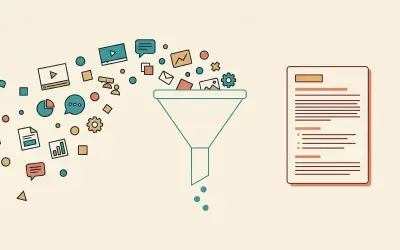
When you start learning there's a lot of information, so you can't do without a system. You watch videos, read books, write notes — and a month later you can't find the note you need in all that mess.
I went through this myself. Tried Notion, Trello, Evernote, plain folders. Dropped each one. In the end I settled on Obsidian and over a couple of years worked out a structure you can copy in five minutes.
Why most people quit a Second Brain in the first month
The classic: you watch a slick video about Zettelkasten, spend three days setting up the system and the graphs, and on the fourth you realize you're spending more time sorting notes than actually studying.
It's a trap. The system starts demanding more effort than it gives back. Complexity should grow together with the volume of knowledge, not run ahead of it.
Three folders — you don't need more
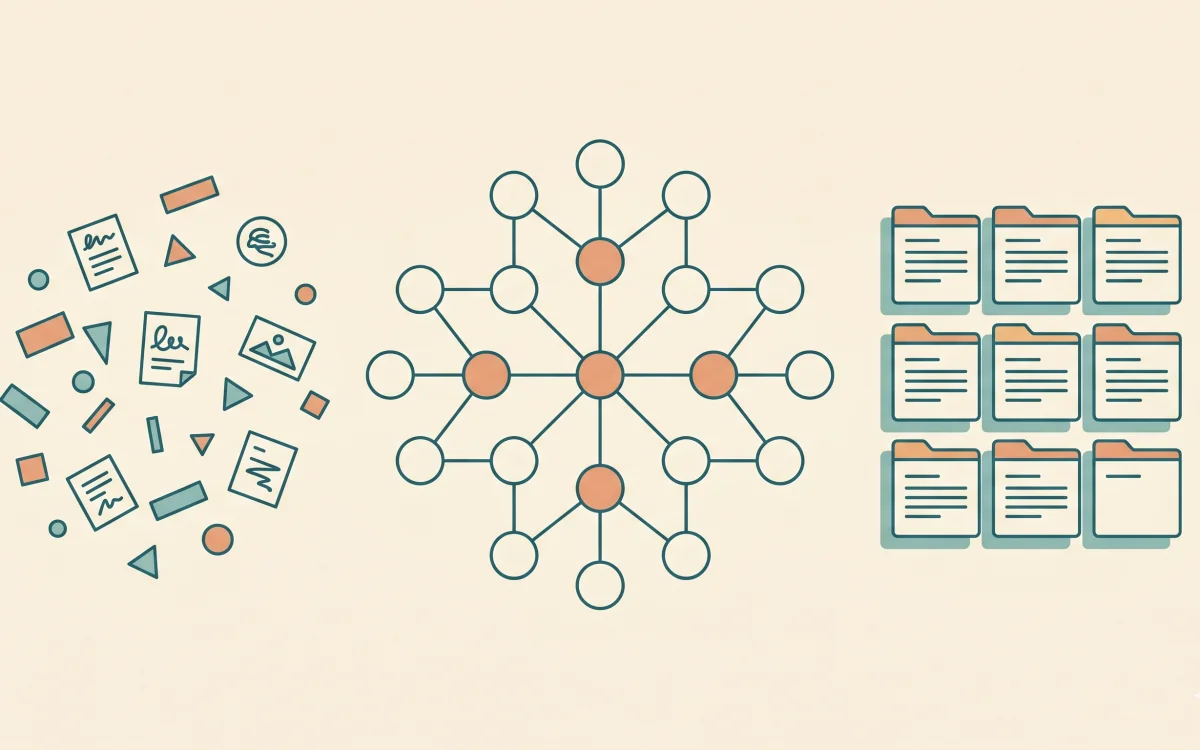
The whole structure rests on three folders. No complex schemes, no million plugins. Each folder has its own specific job, so it's always clear what goes where. Create three folders:
Warning
Inbox/
Knowledge Base/
Roadmaps/
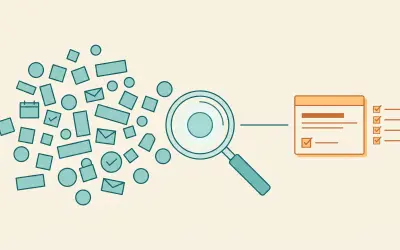
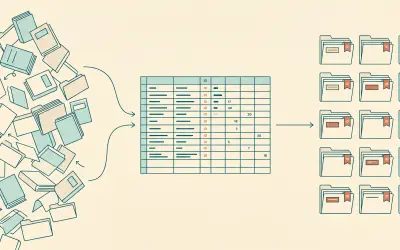
Inbox — a dump for everything. Links, thoughts, snippets of code, screenshots. In the moment I never think about where to put it — I just throw it into Inbox. Once a week I sort it out: delete the junk, scatter the rest into the right folders.
Knowledge Base — the deep archive. Summaries of books, courses, technologies. Here I keep notes on the Go runtime, the GMP scheduler, System Design patterns, PostgreSQL, and on other topics I find interesting: economics, finance, biology. Everything I've studied and want to keep at hand.
Roadmaps — living plans. These are maps of what I'm studying right now. Prepping for a Senior interview, launching a mentoring cohort, working through a new technology. Open a roadmap — and you immediately see the progress: what's already done and what's next.
Warning
If you don't create these folders right now, they'll never exist. It's a one-minute job.
The main rule
A second brain works only if it reflects your real work and grows together with you. Everything you study should settle there.
Don't copy other people's systems and ready-made bases. I dropped everything several times myself trying to use someone else's templates. Just pick a direction and slowly build your own archive.
And the main thing: you should be able to find any note in 10 seconds. If you spend more time searching than reading — the system is broken. Simplify.
When that's not enough
Three folders are the baseline. If you've accumulated hundreds of notes and want to see the connections between them, then you can start looking toward Zettelkasten and graphs in Obsidian. But starting straight with graphs is a mistake. First build up the base, then build the connections.
I've been keeping Obsidian for more than two years: all my work, notes and completed courses live there. The roadmaps are what really save me. You can run a pile of things in parallel: mentoring, learning new technologies, a weight-loss journal, small daily logs. And no overload with it — the structure unloads your head and genuinely makes life easier.
Three folders you use every day work a hundred times better than a perfect system you'll abandon in a week. Create these folders right now. Toss in a couple of your latest notes just to get a feel for the logic. From there it goes on its own.